একটা ছোট দেশ কীভাবে communism, racial division, corruption, media pressure, আর weak institutions-এর ভেতর থেকেও টিকে গেল?
আর Singapore কি শুধু disciplined ছিল, নাকি deliberately engineered?
এই episode-এ আমরা From Third World to First বইয়ের পরের অংশ নিয়ে কথা বলি, যেখানে Lee Kuan Yew-এর সবচেয়ে controversial কিন্তু effective decisions সামনে আসে। Episode-এর শুরুতেই আসে communist threat। Singapore তখন fragile, আর Chinese left politics, socialist opposition, foreign influence – সব মিলিয়ে state capture-এর ভয় ছিল। Lee এখানে soft না, extremely decisive। তিনি বুঝেছিলেন, survival-এর প্রথম শর্ত stability।
এরপর আসে “middle ground” politics। Lee pure capitalism-এ যাননি, pure socialism-এও না। বরং housing, education, healthcare, provident fund, anti-racial policy, meritocracy – এসব দিয়ে এক ধরনের pragmatic state capitalism গড়েন। একদিকে কঠোর repression, অন্যদিকে huge social investment – এই mix-টাই Singapore model-এর core tension।
এই episode-এ আমরা আলোচনা করি:
কেন Lee communist opposition-কে existential threat হিসেবে দেখেছিলেন
কেন detention, legal pressure, defamation suits তাঁর politics-এর অংশ হয়ে উঠেছিল
media freedom আর media owner freedom-এর মধ্যে পার্থক্য
কেন Singapore-এ corruption-এর বিরুদ্ধে top-down zero tolerance কাজ করেছে
কেন public servants-কে private sector-এর মতো salary দেওয়া হয়েছিল
কেন housing policy racial harmony build করার tool হয়ে ওঠে
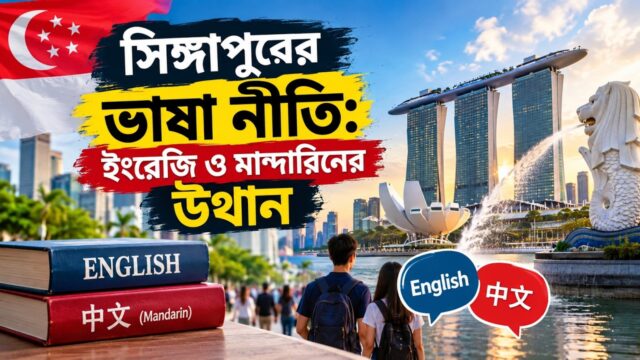
কেন bilingual policy, English working language, আর ethnic second language Singapore-এর identity বানায়
কেন Changi Airport, Singapore Airlines, traffic control, green city planning — সব একসাথে national strategy ছিল
Lee Kuan Yew এই episode-এ শুধু politician না, বরং conductor of an orchestra হয়ে ওঠেন। তিনি আলাদা আলাদা sector solve করেননি, বরং military, housing, education, finance, corruption control, race relations, media, transport – সবকিছু একসাথে ধরে state capacity build করেছেন।
🎯 এই পর্বে আপনি বুঝবেন:
কেন Singapore শুধু “free market success” ছিল না
কেন কঠোরতা আর competence একসাথে ব্যবহার করা হয়েছিল
কেন anti-corruption শুধু slogan না, institutional design-এর প্রশ্ন
কেন race, language, housing, education — সব development-এর অংশ
কেন Singapore model একইসাথে admired এবং uncomfortable
How did a tiny state survive communism, racial division, corruption, media hostility, and weak institutions all at once?
And was Singapore simply disciplined, or carefully engineered?
In this episode, we continue From Third World to First and enter the more controversial side of Lee Kuan Yew’s state-building project. We discuss the communist challenge, the suppression of opposition, and why Lee saw stability as a precondition for survival.
We then explore Singapore’s famous “middle ground.” Lee rejected both pure socialism and pure laissez-faire capitalism. Instead, he built a pragmatic model: strong state intervention in housing, education, healthcare, anti-corruption, and social discipline, while inviting capital, talent, and multinational firms.
The episode also dives into media control, defamation law, public sector salaries, anti-corruption enforcement, racial integration through housing, bilingual language policy, and major infrastructure moves like Changi Airport and Singapore Airlines.
The central theme is that Lee did not solve isolated problems one by one. He orchestrated the entire system together.
🎯 You’ll learn:
Why Lee treated communist politics as an existential threat
Why Singapore chose a hard but strategic middle path
Why anti-corruption required both punishment and incentives
How housing, language, and education were tools of nation-building
Why Singapore remains both inspiring and deeply controversial
KEYWORDS / TAGS
Lee Kuan Yew, From Third World to First, Singapore model, Singapore corruption control, Singapore media policy, Singapore communism, Meritocracy, Bilingual policy, Public housing Singapore, Changi Airport, Singapore Airlines, Rule of law Singapore, Pragmatic state, সিঙ্গাপুর মডেল, #BetweenLinesAndLands
CALL TO ACTION
Bengali:
আপনার মতে Lee Kuan Yew-এর কঠোরতা justified ছিল, নাকি অতিরিক্ত? Comment করে জানান।
English:
Do you think Lee Kuan Yew’s harshness was justified, or excessive? Share your thoughts in the comments.
🔗 CONNECT WITH US
🌐 Website: www.betweenlinesandlands.com
📺 YouTube: @BetweenLinesAndLands_podcast
📘 Facebook: facebook.com/BetweenLinesAndLands
📸 Instagram: @BetweenLinesAndLands_podcast
🎵 TikTok: @BetweenLinesAndLands
🎙️ Podcast: Spotify | Apple Podcasts | Audible